Your guide to publishing your book: which path should you choose?
You are a business owner, entrepreneur or coach who wants to write and publish a book, establishing your expertise and attracting more customers to your business.
You have a brilliant idea, and you know what your customers want to hear.
Great start.
But how do you actually get it into print? You're the expert in what you do, not how to get a book published. You can spend hours researching and find all the information you need, but do you have that time? How will you know which is the best route for you?
When deciding how to get your message across to your potential customers in book form, you have several methods you could choose
- Traditional publishing.
- Self-publishing
- Hybrid Publishing
- Vanity Publishing
Taking the first of these
Traditional Publishing
This is when a publisher takes on your book, arranges for it to be edited, proofread, designed, and formatted and then offered to the wholesalers to sell into bookshops. The benefit of this route is that there are no upfront costs for you as the publisher pays for all the specialists in order to get your book out into the wild. Once it's published, you will earn royalties on sales but only after you have earnt back any advance you have been given, plus other costs they may add to your contract. And don't get any ideas about huge advances; a business book is unlikely to merit one, and they can be as little as £1000. These publishers are very selective about the books they take on.
You need to be comfortable with working to the publisher's requirements and be aware that there is unlikely to be a marketing budget for your book, so be prepared to do much of that yourself. Essentially, you are handing over much of the control of your book in return for their management of the process and minimising your costs. They will own the rights to your book, possibly for ever, so do read the contract.
If this is the way you would like to go, I highly recommend getting yourself a copy of the Writers and Artists Yearbook to save yourself a lot of time and hassle. (Affiliate link: I may earn a small commission if you buy through it, at no extra cost to you.)
You will find publisher's contact details, the genres they are interested in, and how to approach them (you may need an agent to represent you), along with many tips about writing and the publishing industry. It won't be easy, but this book will definitely smooth the road.
Self-publishing
Here you own and manage the whole process, from writing what you want, to finding the specialists, and then marketing and selling your book. You can choose your timeline for publication, often being able to produce your book much more quickly than you would with a publisher and to your preferred deadline – perhaps the launch of a new product, service, or other important milestone. There are upfront costs, so it is not the cheapest option, however, you then own the rights to the book and keep all the profits when you sell it.
You can also use self-publishing services businesses such as Emmer Publishing who can manage the process for you, taking away the hassle of finding suitable specialists and co-ordinating their work. You still own the rights, and all profits from sales are yours.
Hybrid Publishing
This is a bit like a halfway house between traditional and self-publishing. Here, you and the publisher share the upfront costs and the profits, often at a higher percentage than with the former. Hybrid publishers will be selective on who they take on as they need to be confident that sales will produce a suitable profit. Again, the Writers and Artist Yearbook will be invaluable here.
Vanity Publishing (though this is not an official name)
So called because these publishers are rarely selective about the books they take on, ask you to pay the upfront costs, and then share the profits with you, often doing little to promote it or get it into the market. Be very wary and read any contracts in detail.
The final option, if you have written a very short book, is to create a PDF and host it on your website, selling it through there. Definitely the cheapest option, but you need to be sure that your readers will be happy to consume the information in this way.
Take your time making the decisions on how to get your book to your readers. All require effort on your part, often money – but the results are well worth it. If you'd like to find out how I can help, pop me a message.
Danielle
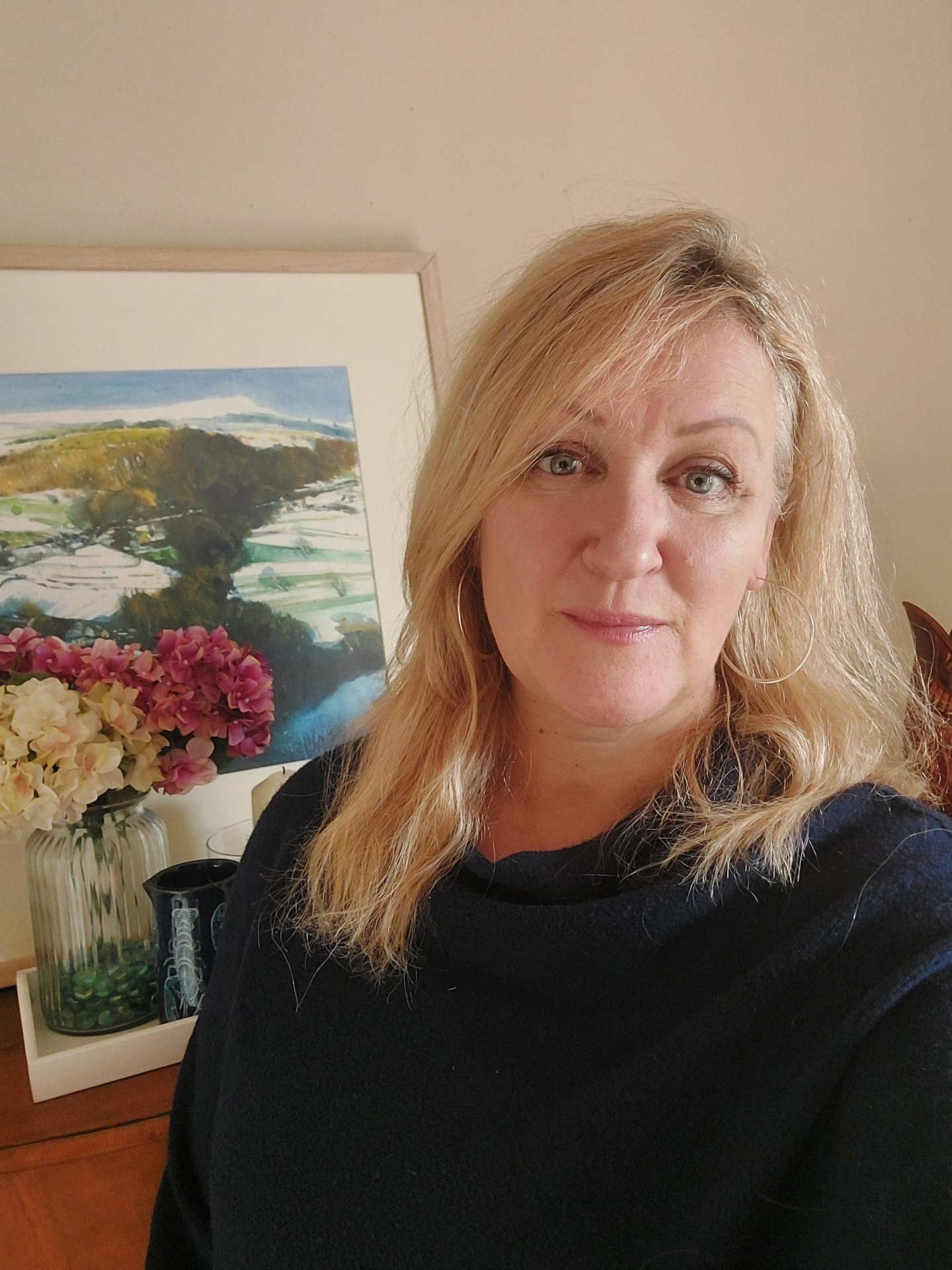
Danielle Hone, founder of Emmer Publishing. I help business owners, entrepreneurs and coaches write and self-publish their business book.
The Emmer Edit
Occasional notes on writing, self-publishing and getting your book finished. No spam, just helpful tips.
By submitting this form you agree to our Privacy Policy.
Published